
On Decisions and Consequences — Reflections from Two Books
Encouraged to explore their interests through non-fiction & biographies, Grade 11 Learner Svetlana Sinha recommends 'Unearthed' and Hemang Garg reviews 'How to Build a Car'

Unearthed-An Environmental History of Independent India by Meghaa Gupta, read and reviewed by Svetlana Sinha, Grade 11
In Unearthed-An Environmental History of Independent India, Meghaa Gupta highlights that many environmental movements in India were not started by governments or elites but by ordinary people whose lives were directly affected by environmental damage.
A striking feature of several of these movements is the central role played by women. She shows that women were often at the forefront of environmental resistance because of their close relationship with natural resources and their responsibility for household survival. The Chipko Movement is a key example of how women-led activism shaped India’s environmental history.
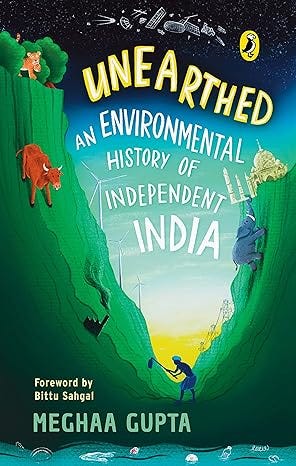
Unearthed: An Environmental History of Independent India by Meghaa Gupta is available for purchase on Amazon, Flipkart, and at leading bookstores.
Everyday Survival and Women’s Environmental Leadership
One of the main reasons women led many environmental movements was their daily dependence on forests, water, and land. In rural India, women were usually responsible for collecting firewood, fodder, water and food for their families. When forests were cut down or rivers polluted, women were often the first to experience the consequences.
The author explains that environmental degradation directly increased women’s workload and threatened their families’ survival. As a result, environmental issues were not abstract ideas for women but urgent and everyday problems.
The Chipko Movement: Forests, Justice, and Resistance
The Chipko Movement of the 1970s, discussed in Unearthed, clearly shows this connection. The movement began in the Himalayan region of Uttarakhand where large-scale commercial logging was destroying forests. When contractors arrived to cut trees, village women physically hugged the trees to prevent them from being felled. This simple but powerful act gave the movement its name, “Chipko,” meaning “to cling.” Women such as Gaura Devi played a crucial leadership role. They argued that forests were essential for preventing landslides, providing fuel and fodder and protecting water sources.
Their protest was peaceful but effective and it forced the government to reconsider its forest policies.

An illustration depicting village women in the Himalayan region protectively embracing forest trees, symbolizing their leadership in ecological conservation. (Representational image generated using AI)
She emphasises that the Chipko Movement was not only about protecting trees but also about social justice. Women opposed the state’s development model, which allowed outsiders to profit from forests while local communities suffered. This shows how women’s environmental activism was closely linked to economic inequality and power. The movement challenged the idea that development must come at the cost of nature and local livelihoods.
Beyond Chipko: Protest, Power, and Gender
Beyond Chipko, Unearthed shows that women were involved in many other environmental struggles across India. In movements against mining, dam construction and deforestation, women often organised protests, marches, and sit-ins. She argues that women’s leadership came from their practical knowledge of the environment. Unlike policymakers in cities, rural women understood how ecosystems worked because they interacted with them daily. This local knowledge made their arguments strong and difficult to ignore.
Another important reason women led these movements was their limited access to formal political power.
Since women were often excluded from decision-making processes, protest became one of the few ways they could make their voices heard. Environmental movements gave women a platform to speak publicly and challenge authority. The book suggests that these movements also helped change women’s social roles by encouraging leadership, confidence, and collective action.
However, the book also points out that women’s contributions were not always recognised. While women were active on the ground, leadership positions and credit often went to men or organisations. This reflects wider gender inequalities in Indian society. Despite this, women’s participation remained crucial to the success of many environmental campaigns.
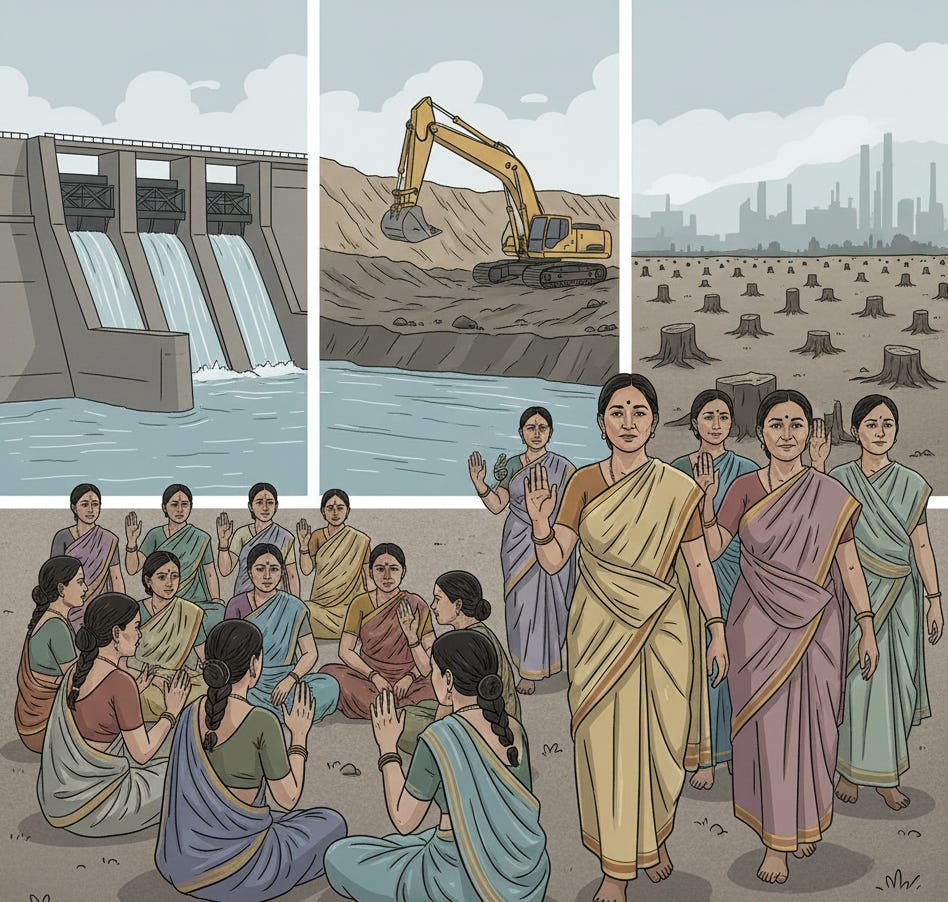
A depiction of the collective strength of women in various environmental movements across India, highlighting their roles in peaceful protests against industrial threats such as large-scale dams and mining operations (Representational image generated using AI)
Conclusion: Women at the Heart of India’s Environmental History
Overall, Unearthed shows that women-led environmental movements were an important part of India’s post-independence history. The Chipko Movement and similar struggles demonstrate how environmental protection, gender roles and survival are closely connected. By focusing on women’s experiences Megha Gupta helps readers understand that environmental history is not just about policies and governments but about everyday lives.
This makes the book especially useful for understanding how grassroots movements challenged harmful development and shaped environmental awareness in India.
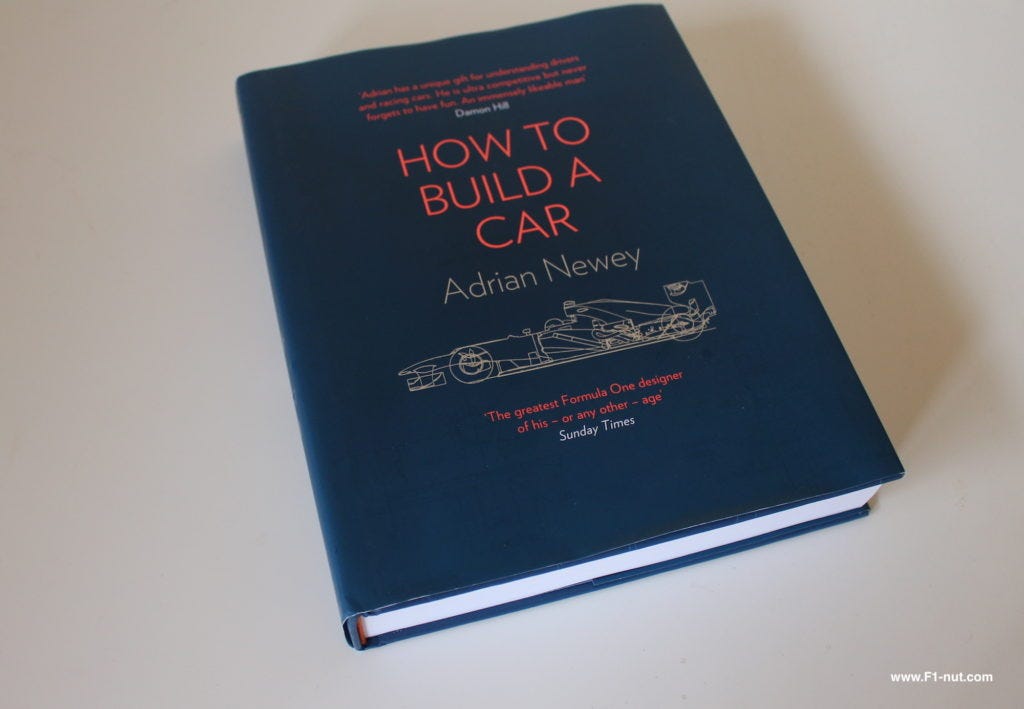
How To Build A Car By Adrian Newey, read and reviewed by Hemang Garg, Grade 11
This book is the story of Adrian Newey, one of the greatest race-car designers in Formula 1. From a young age, Adrian loved motorsport and building things. He often worked on small projects with his father. Even though he struggled at school and was expelled, he never stopped learning. Over time, he went on to design cars for the top F1 teams.
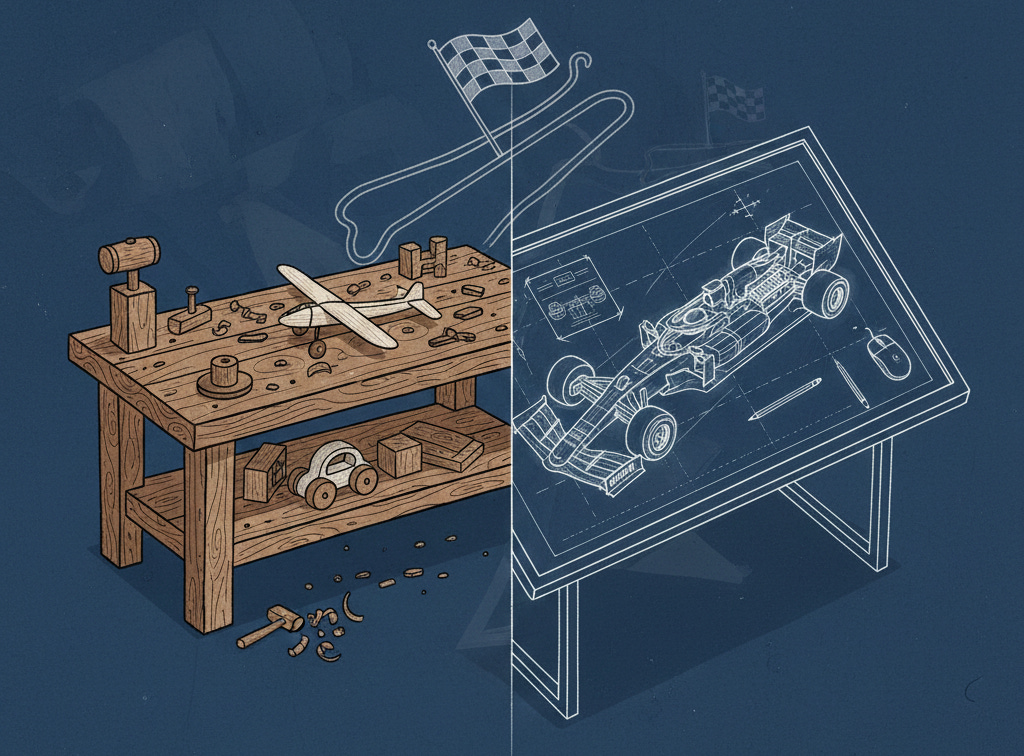
What makes Adrian Newey special is how successful his designs have been. Cars designed by him have won 14 Drivers’ Championships, 12 Constructors’ Championships, and over 220 Grand Prix races. He worked with famous teams like Williams, McLaren, and Red Bull Racing, and helped shape modern Formula 1 through new ideas and constant improvement.
More Than Cars: A Designer’s Journey
The book is not just about cars. It is about Adrian’s full journey as a designer. He talks about his childhood, his failures, and how he slowly worked his way to the top of motorsport.
He wrote this autobiography to share what he learned along the way and to inspire people who enjoy design, problem-solving, and creativity.
The book is meant for F1 fans, students who want to become engineers, and general readers who like stories about hard work and overcoming failure. Adrian shows what really happens behind the scenes in Formula 1 and how much effort it takes to succeed.
Mistakes, Responsibility, and Learning
Adrian writes in an honest and humble way. He openly talks about his mistakes. For example, he shares a funny story where he dropped a pen cap into the oil tank of Mika Häkkinen’s car, which caused problems during a race. He does not hide the mistake and instead laughs about it and explains what he learned.

He also talks about the tragic death of Ayrton Senna. Adrian explains that a change made to the steering column—done to make Senna more comfortable—was linked to the crash. Even though no one expected such an accident, Adrian shares how guilty and responsible he felt. This part of the book is very emotional and personal.
Along with personal stories, the book explains technical ideas in a simple way. Adrian talks about making cars lighter, stronger, and more aerodynamic. He explains concepts like downforce, wings, and suspension so that even readers without engineering knowledge can understand them.
The book is organized around the famous cars he designed. It includes drawings and clear explanations, which make it interesting and easy to follow. While some personal details are skipped, the book is still very engaging and informative.
Conclusion: Learning, Curiosity, and Perseverance
Overall, Adrian Newey’s autobiography is both inspiring and educational. It shows the importance of curiosity, honesty, and never giving up.
It is a great read for F1 fans, design students, and anyone who enjoys stories about success built through hard work and learning from mistakes.
Such a wonderful feeling to see learners come up with reviews depicting thoughtful reading and a genuine connection with the books chosen.
Svetlana, how beautifully have you centered women’s voices and highlighted the authors intent on why their actions mattered from the book Unearthed. It feels grounded and sensitive.
Hemang, I loved the way you particularly wrote about Adrian Newey’s failures and emotions highlighting maturity and empathy.
Together, your reviews reflect two very different worlds connected by a common thread, as the title rightfully is - decisions and their consequences. Kudos!