

In a world characterized by rapidly evolving food habits, the importance of Food and Nutrition (F&N) education cannot be overstated.
As an IGCSE subject, F&N goes beyond teaching students how to prepare a meal; it serves as a comprehensive guide to understanding the principles of nutrition, food science, and the cultural significance of diverse cuisines.
The primary objective of F&N is to equip students with the knowledge and skills needed to make informed choices about their diet and develop practical culinary skills. In an era where processed and convenience foods dominate, this subject provides a crucial foundation for navigating through a sea of nutritional information and marketing claims.
F&N education comprises various components, including nutrition principles, food science, dietary guidelines, culinary skills, food safety, and cultural aspects of food. These components collectively contribute to a well-rounded education that extends beyond the classroom into shaping lifelong habits.

The impact of F&N education on learners' lifestyles can be profound. By understanding nutrition principles, students become conscious consumers, making healthier dietary choices.
Practical cooking skills acquired in the classroom as prescribed in the IGCSE Curriculum, empower them to plan and prepare nutritious meals, fostering a shift away from processed foods. Knowledge of food safety and hygiene practices ensures responsible food handling, reducing the risk of illnesses.
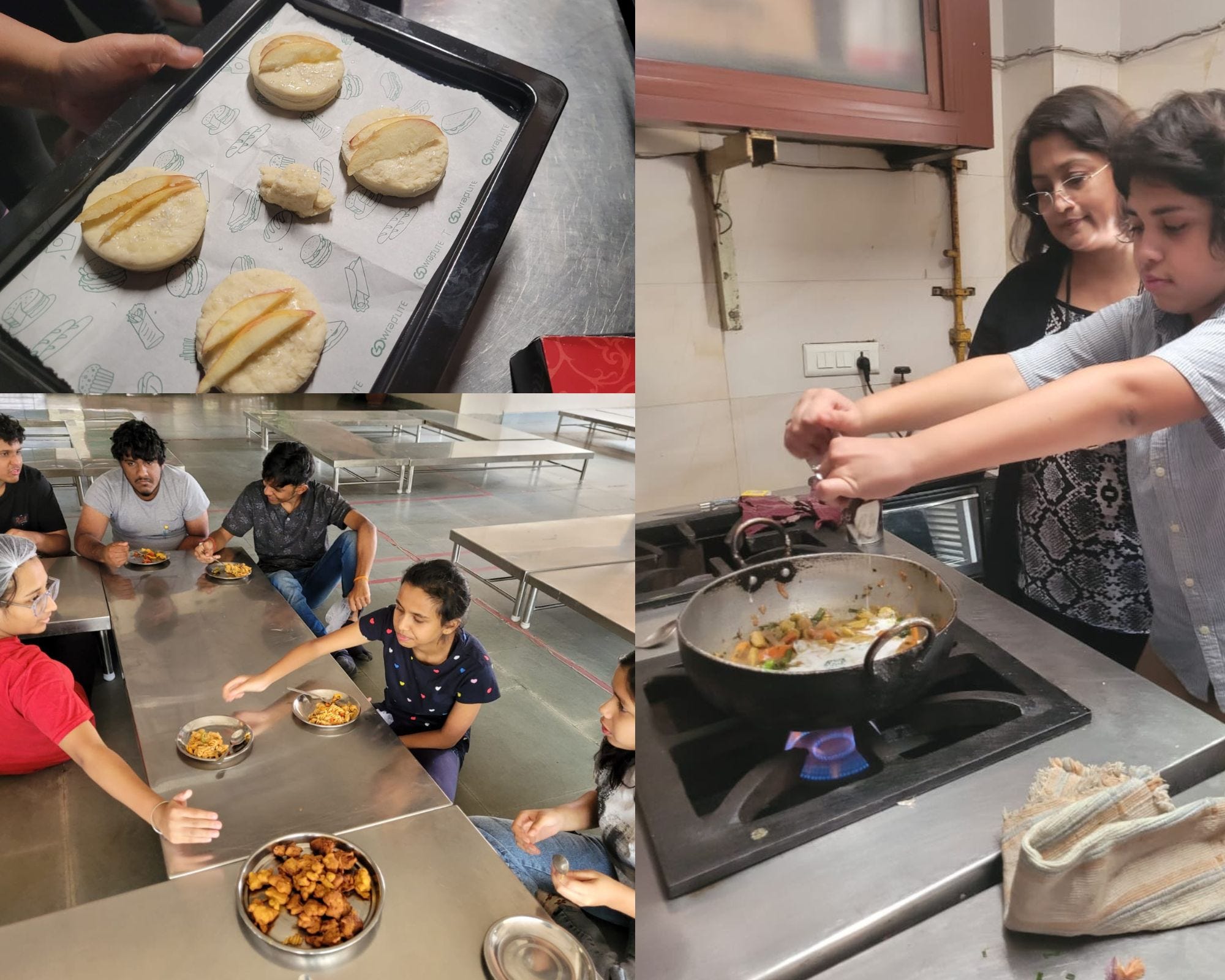
Cultural awareness is a significant aspect, encouraging appreciation for global culinary traditions and guiding students towards choices aligned with both personal preferences and cultural values. Moreover, F&N education addresses the environmental and ethical considerations of food consumption, aligning with the growing trend of sustainability consciousness.
The positive effects extend beyond the individual, as students often share their newfound knowledge with family members, influencing household eating habits. Additionally, they may contribute positively to their communities by promoting healthy eating practices and awareness.
In essence, F&N education is not just about what's on the plate; it's about empowering future generations to make informed, healthy, and culturally aware choices. As we navigate a world of ever-changing food landscapes, this subject stands as a compass, guiding students towards a future of responsible and mindful consumption.
What you see is what you eat…
Presentation is pivotal in creating an appetite and making it a key element in the culinary experience. Since we follow a curriculum, maintaining the authenticity of dishes takes the utmost priority while teaching how to cook or prepare a dish. For example, the famous roux sauce used in French cuisine will be made compulsorily from refined flour (maida).
Nutrition needs to be customized as per the needs of the individual; for instance, the nutritional needs of a sports person would be very different from those of a person in their old age. All these require a great amount of skill, which we seek to instill in our learners.
-Chakshu Bipin Parmar Arora(Parent Volunteer & F&N Co-Facilitator)
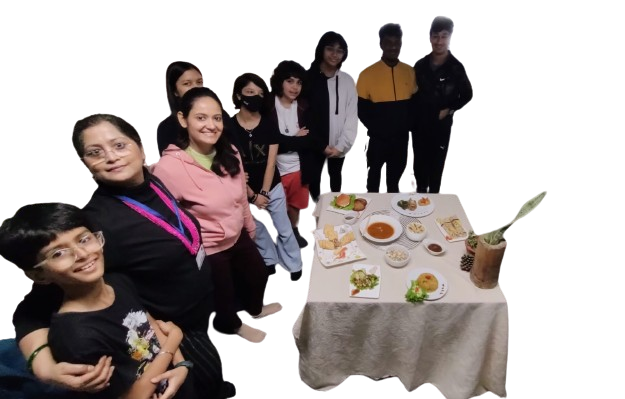
Learners’ Corner…
"This is the story of the time when I baked in my own home for the first time ever. Usually, I made food at my grandmother's house because my dad has forbidden any non-veg inside the house. I got my mother's phone to watch videos and found out about cakes that did not contain eggs. I learned how to make an apple cake. I begged my mom to buy apple cider vinegar, and after a lot of convincing, she agreed. I was so happy, but I knew that it wouldn't taste good, so I did not get my hopes high. After an hour or so, I ended up with my first vegetarian cake, and it turned out to be amazing. I couldn't help but continue baking ever since."
-Ayaan Gupta, Grade 9
"Eat plenty of vegetables and fruits, whole grain foods, and protein-rich options, opt for plant-based protein foods more frequently. Limit the consumption of highly processed foods. If you choose these foods, consume them less often and in small amounts."
-Vedic Arora, Grade 9
"I believe the diverse food habits observed across the world are rooted in the various cultures and beliefs held by people. Behind every dish lies a story; consider the origins of its ingredients. Take the time to savor the food and understand history behind."
-Sanvi Bhatia, Grade 9