
Beyond the Plate: Rethinking Our Relationship with Food
by Himanshu Kapoor Guest Facilitator (Farming and Food & Nutrition)

Food. It sustains us, delights us, and serves as a bridge to culture, memory, and belonging.
Yet in the flurry of modern life, we rarely pause to consider: What is this food? Where did it come from? What systems brought it here — and at what cost? At Prakriti, we believe that food is not simply a necessity. It is an educator, a storyteller, and a silent yet powerful curriculum. Like education, food is a universal right, but also a profound responsibility. When we begin to understand food in this holistic light — not merely as nutrition or pleasure, but as an integrated part of a child’s learning journey — it reshapes how we think about growing, cooking, and serving it.
The Hidden Curriculum: Food as a Pedagogical Practice
In many conventional settings, food is often outsourced — a logistical task, detached from the core of education. At Prakriti, we reject this separation. We assert a central truth: Food is not to be outsourced; it must be managed in-house. This belief is not just about logistics — it's philosophical. The care of food is deeply, inherently linked to the care of children. To educate a child holistically means to engage with everything that nourishes them, including what’s on their plate.
Key Insight: Children and the people who care for them — teachers, mentors, caregivers — should also be the ones who care for the food they consume.
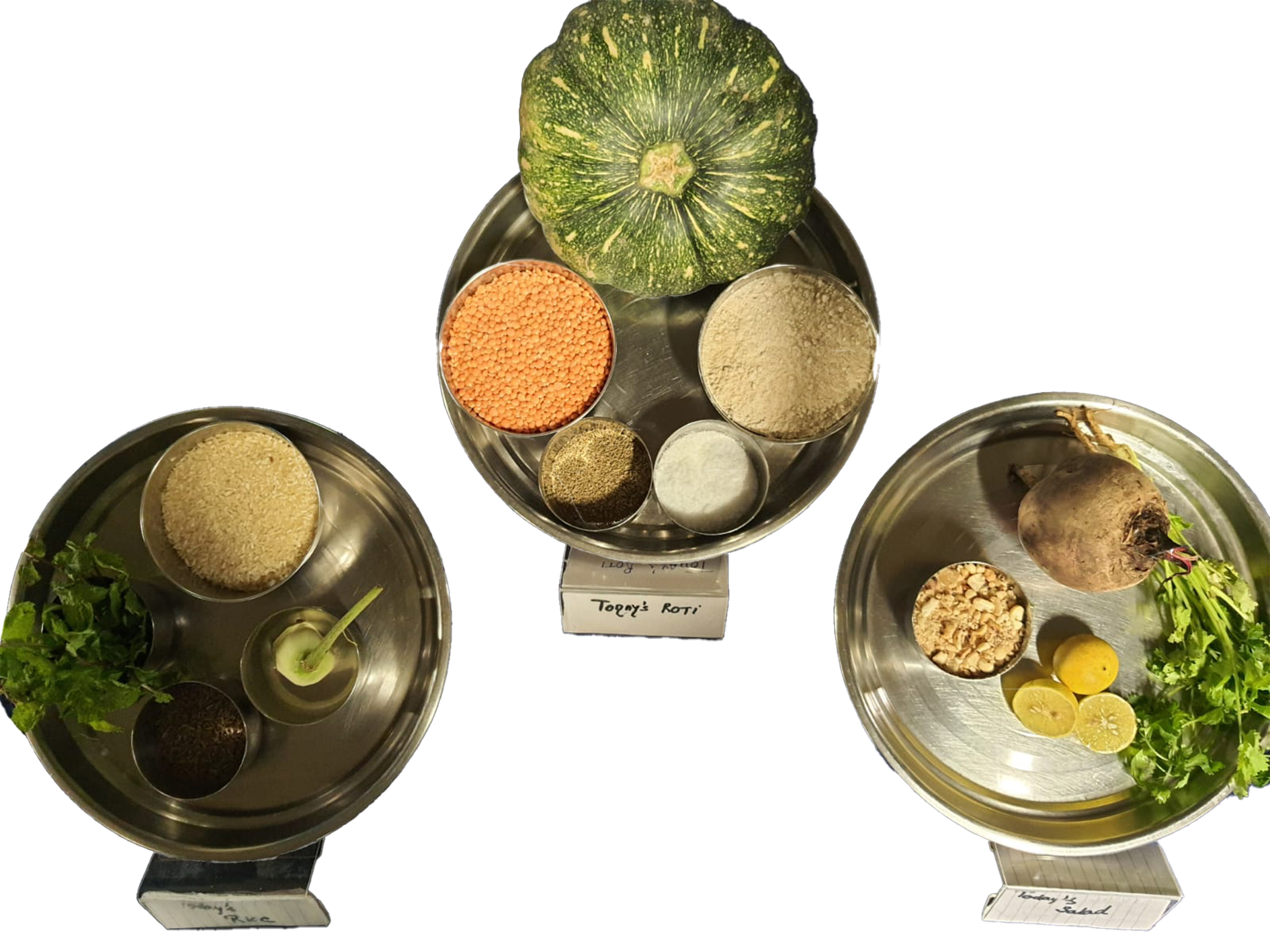
This intertwining of education and nourishment gives rise to what we call the hidden curriculum of food — a lived, sensory, and relational pedagogy that runs parallel to formal learning. It’s in the choice of seasonal produce, the rhythm of planting cycles, the scents wafting from the school kitchen, and the quiet patience of composting waste. All of these become lessons, not just about food, but about life.
Pleasure, Culture, and Conviviality: The Prakriti Philosophy
Our approach is grounded in the philosophy of Slow Food International, which reminds us that food is never just functional — it is cultural, social, and joyful. We see food as a communal experience: a conversation with the soil, the seasons, and one another.
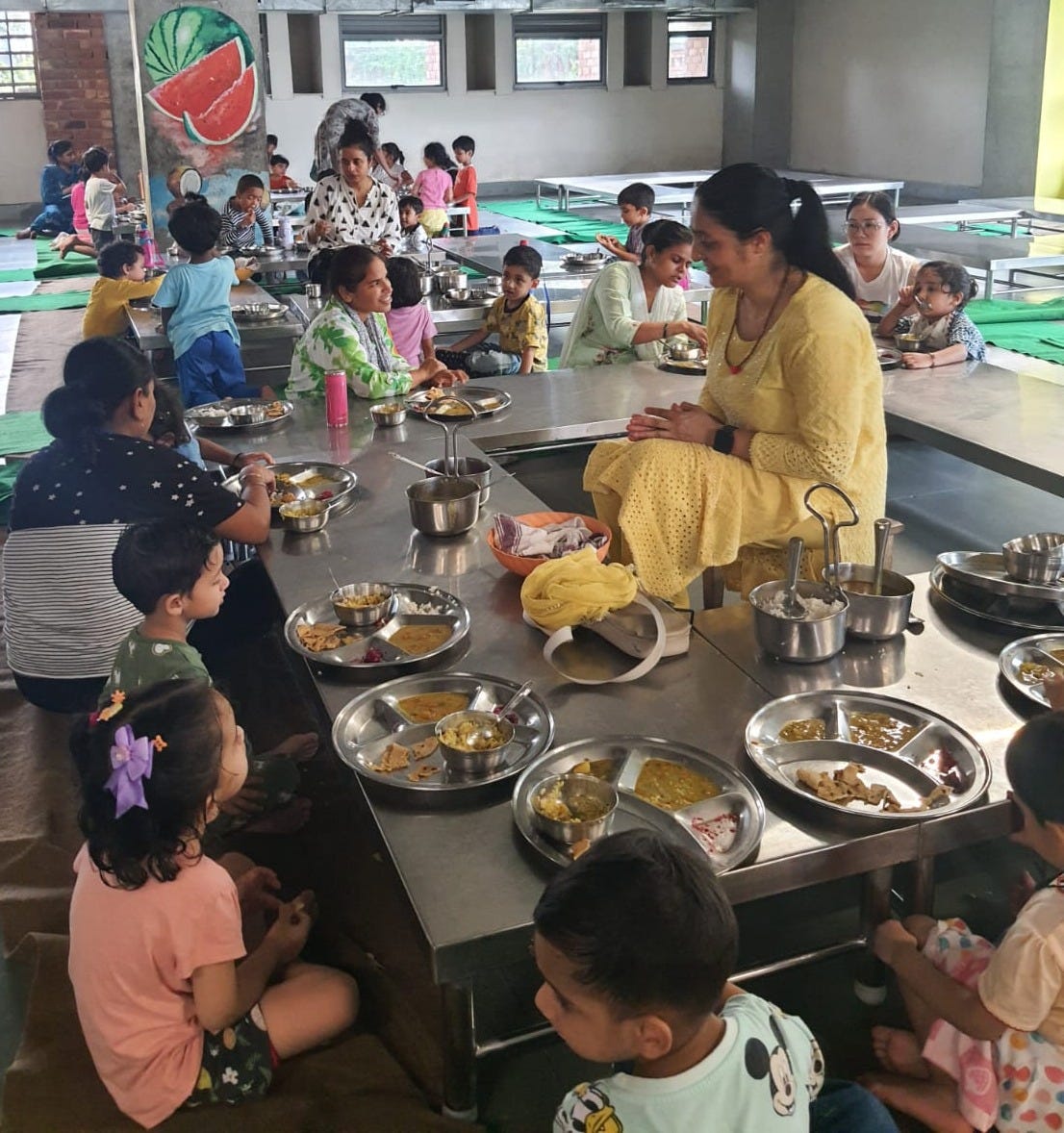
It is a tapestry woven with stories, values, and inherited wisdom. Yet, our choices are increasingly shaped by invisible systems — industrial supply chains, processed options, and marketing. This is why education is our most vital tool — to illuminate, to reconnect, and to reclaim.
Real and Unreal Food: Teaching Children to Discern
At Prakriti, we make a clear distinction between real and unreal food — a conceptual framework that empowers children to be discerning eaters. Real food is alive, connected to the land and prepared from scratch. Unreal food is processed, commodified, and alienated from its origins. Helping children understand this distinction is akin to teaching them the difference between original thought and rote memorization.
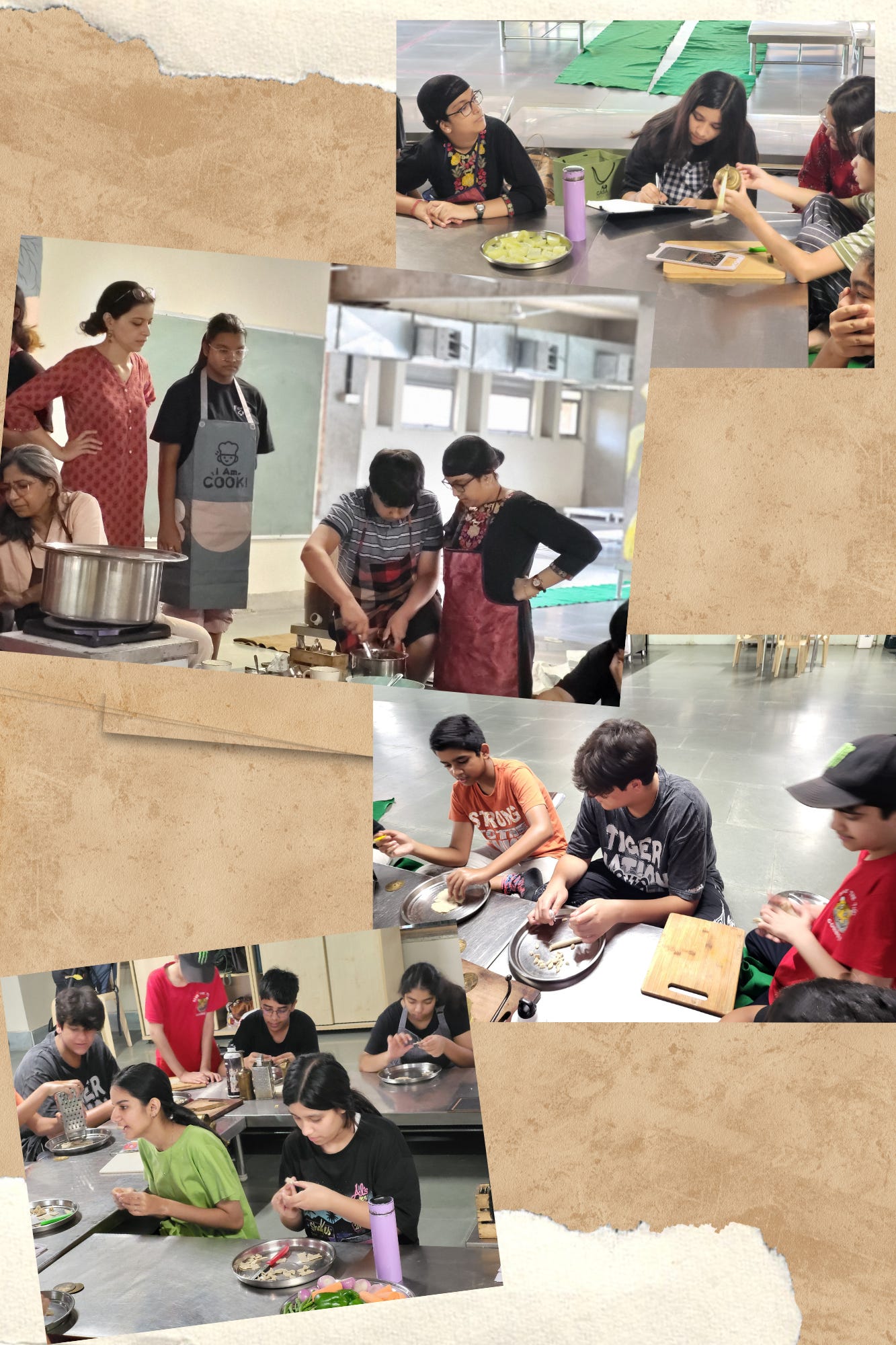
Just as designing a meaningful curriculum requires starting from the ground up, so does cooking. Cooking from scratch is the culinary equivalent of designing curriculum from first principles — both require care, context, and creativity. This analogy becomes especially powerful in Grades 9 and 10, where students can be encouraged to take ownership of both food and learning, building complex meals and ideas with intention.
Panchamahabhuta to Plate: The Experiential Journey
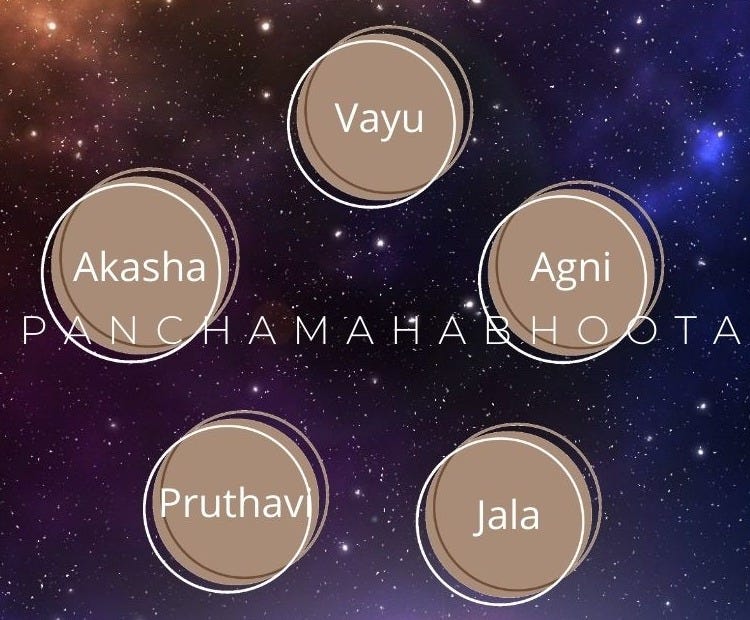
Our food journey begins early. For our youngest learners, the journey is rooted in the Panchamahabhuta — the five great elements: earth, water, fire, air, and space. Through sensory walks, storytelling, and interactions with soil and plants, children begin to see food not just as an object, but as an elementally interconnected phenomenon.
In Grades 2 to 5, this evolves into deeper engagement with farming. Children will be growing food with their own hands, and will witness the delicate balance of natural ecosystems. They will learn how compost from the school kitchen becomes nourishment for the soil, and how that nourished soil returns the favor in the form of saplings and harvests. They will come to understand food as a cycle of reciprocity — not a product, but a relationship.
Contextualizing Food: Regional Wisdom and Relevance
True food education must be contextualized to local ecology. What grows here? What do people in this region traditionally eat? How does the climate shape food habits? These questions allow children to engage with regional vegetation and traditional practices, anchoring their learning in both place and culture. Instead of a generic approach to food, we aim to make food place-specific and memory-rich.
Progressive Pedagogy: Building Skill and Autonomy Through the Years
We envision food education not as a one-time intervention, but as a scaffolded journey across age groups:
Grades 4 to 6: Foundational exposure to farming and food origins through experiential sessions.
Discover our Grades 4-6 farming curriculum in a dedicated article
Grades 6 to 8: Interactive workshops and masterclasses with farmers, chefs, nutritionists, and food historians deepen their understanding and allow exploration of food through multiple lenses — science, health, culture, and justice.
Grades 9 and 10: Students begin designing meals and learning to cook full recipes from scratch, integrating nutritional science, culinary skills, and cultural context. For an in-depth look at how the IGCSE Food & Nutrition Course further empowers our senior students, including insights from our facilitators and student testimonials, explore this dedicated article.
At each stage, the child is not just learning to eat; they are learning to choose, to care, and to act with awareness.
Mindful Eating: Fuel, Fun, and Fog
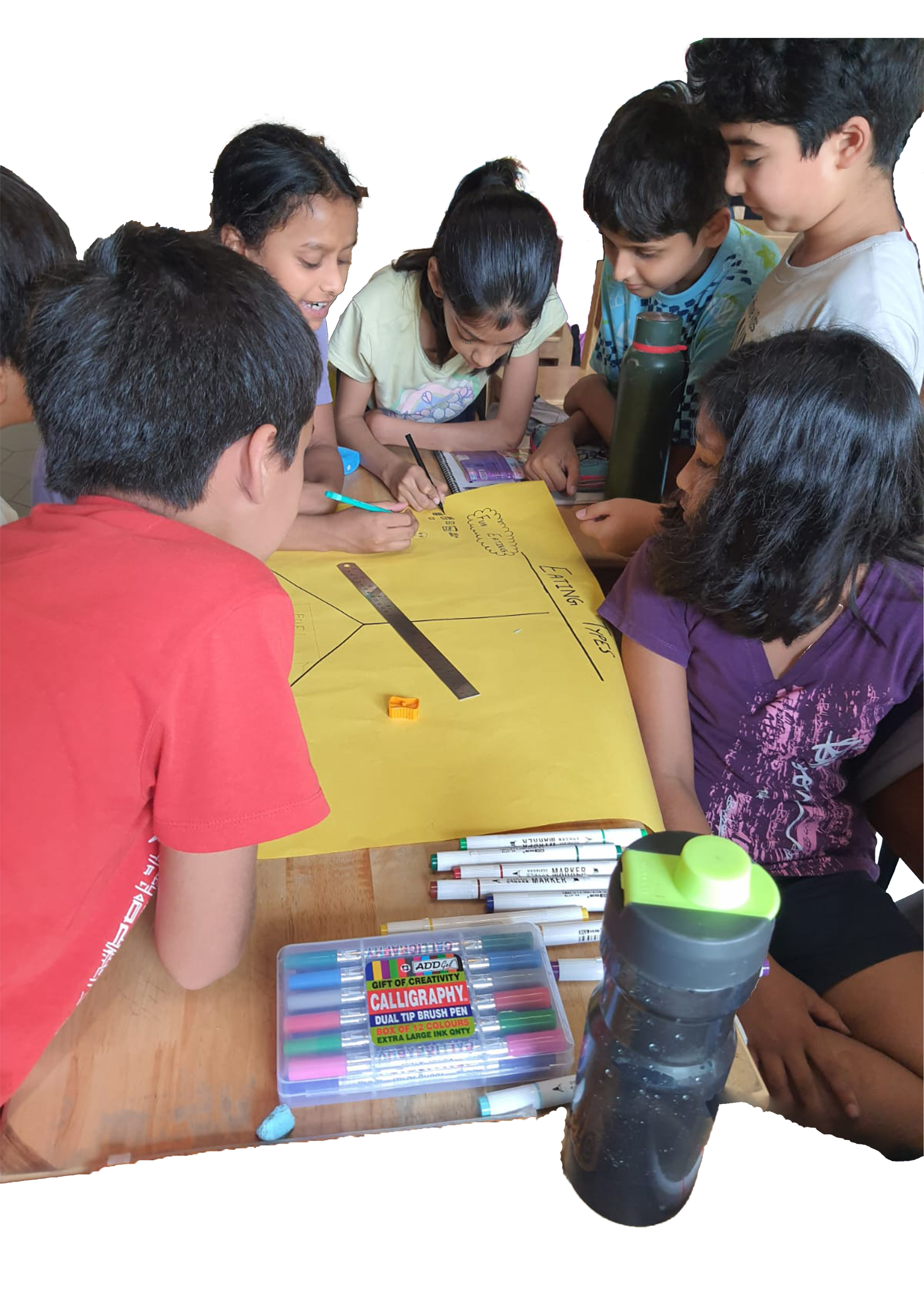
We also teach children to recognize different modes of eating: fuel eating (for nourishment), fun eating (for pleasure), and fog eating (mindless consumption). By learning to distinguish these patterns, students develop gut intelligence — the ability to listen to their internal cues and make conscious food choices. This emotional and bodily literacy is as important as academic achievement.
The Heart of the School: Kitchen and Garden
Our school kitchen is not an isolated service center — it is an extension of the classroom. Our school garden is not just green space — it is a living lab. Together, they form a continuous, living curriculum that teaches care, interdependence, and stewardship.
Weekly circle time becomes a space to reflect on food habits, nutritional insights, and collective cooking experiments. Whether it's assembling meals, crafting recipes, or understanding the chemistry behind fermentation, food becomes a portal into science, ecology, and ethics.
Conclusion: Reclaiming Food, Reclaiming Responsibility
At Prakriti, we believe that cultivating a deep, lived relationship with food — from seed to soil to plate — is one of the most powerful forms of education. When children and their caregivers engage together in the growing, cooking, and understanding of food, they are not just consuming nutrients; they are absorbing values.
It’s time to move beyond the plate, beyond the cafeteria, beyond the idea of food as a logistical concern. It is a pedagogical act — an intimate and collective responsibility. In reclaiming food, we reclaim a vital part of what it means to care for children. After all, to truly nourish a child, we must nourish the systems that surround them — and food, perhaps more than anything else, sits at the very heart of that system.
I love the food changes you are making in our kitchen. The display of ingredients in the dining room is a terrific idea too...looking forward to the winter farming sessions
Great initiative :)